Showing posts with label RAF. Show all posts

Friday, August 13, 2010

Even our Afghan Base is called Nightingale

By Caroline Crowe and Mark Mason, The Sun

CELEBRATED as the Lady With The Lamp for her tireless work helping injured soldiers in the Crimean War, she remains the most famous nurse in history.
And while today marks the 100th anniversary of her death, Florence Nightingale’s incredible legacy lives on.


The inspirational figure helped to transform nursing into a highly respected profession. And the school she founded in 1860 – now Florence Nightingale School Of Nursing And Midwifery at King’s College London – is today regarded as a centre of excellence for nursing education.

The Sun today meets modern day nurses who have followed in Florence Nightingales footsteps.

FLIGHT Lieutenant Vanessa, 41, from Eastbourne, East Sussex, is on her second tour in Afghanistan with Princess Mary’s RAF Nursing Service. She has also served in Iraq.

“Every day I witness something memorable – the bravery of the injured soldier, the life-saving work done by medics or the monumental effort the troops put into stretcher-bearing their injured to safety.

‘Being a nurse in the military is great’ … Vanessa Miles
Photo: Capt Leanne Christmas RE/MOD 2010


My mother and sister were nurses and I always wanted to be an emergency nurse.
I worked as a civilian nurse in the Field Hospital in Iraq and that inspired me to join the RAF in 2007.Being a nurse in the military is great. I feel really valued. We have lots of good kit and are highly respected.

I am the Officer Commanding of the Medical Emergency Response Team (MERT).

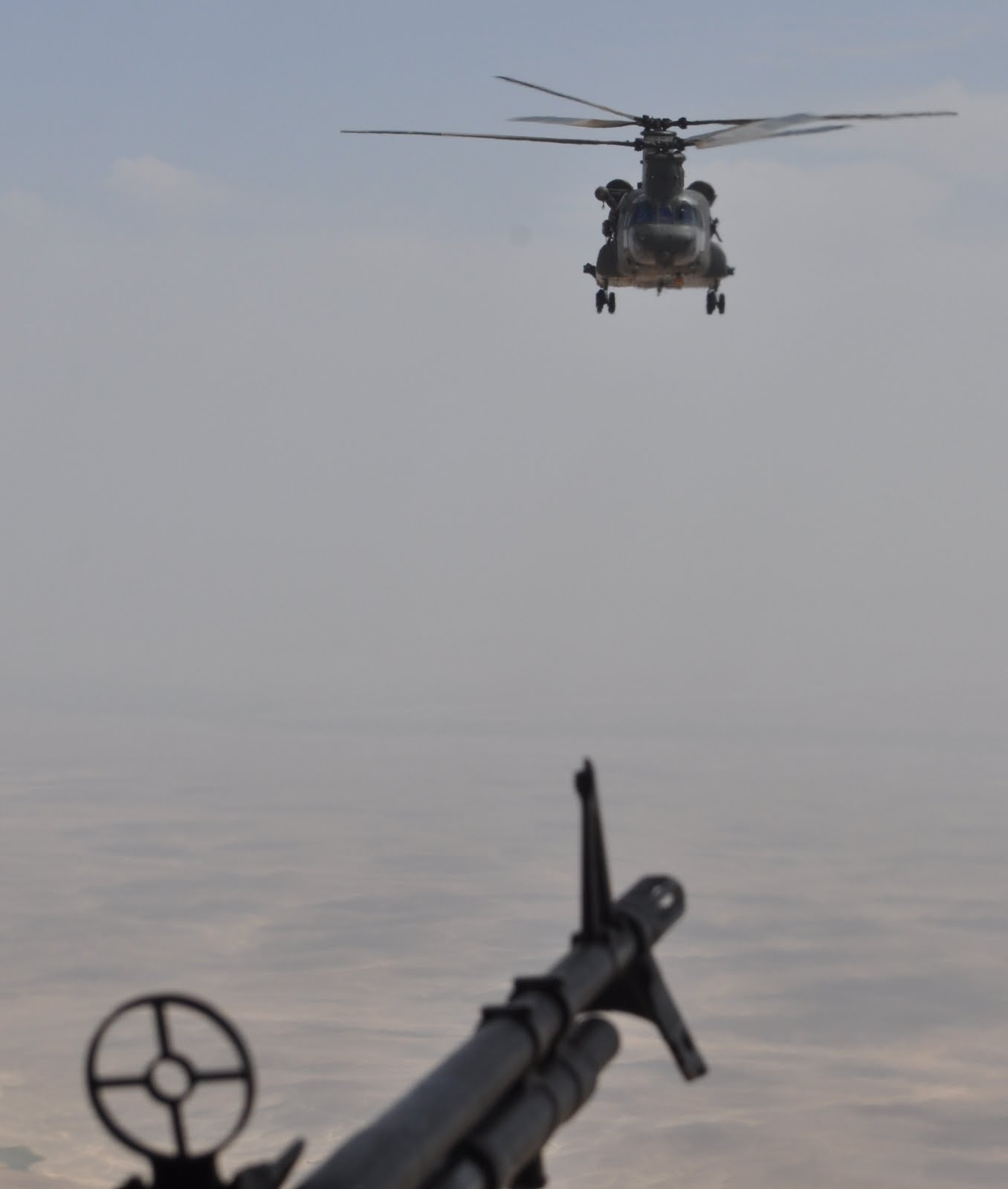
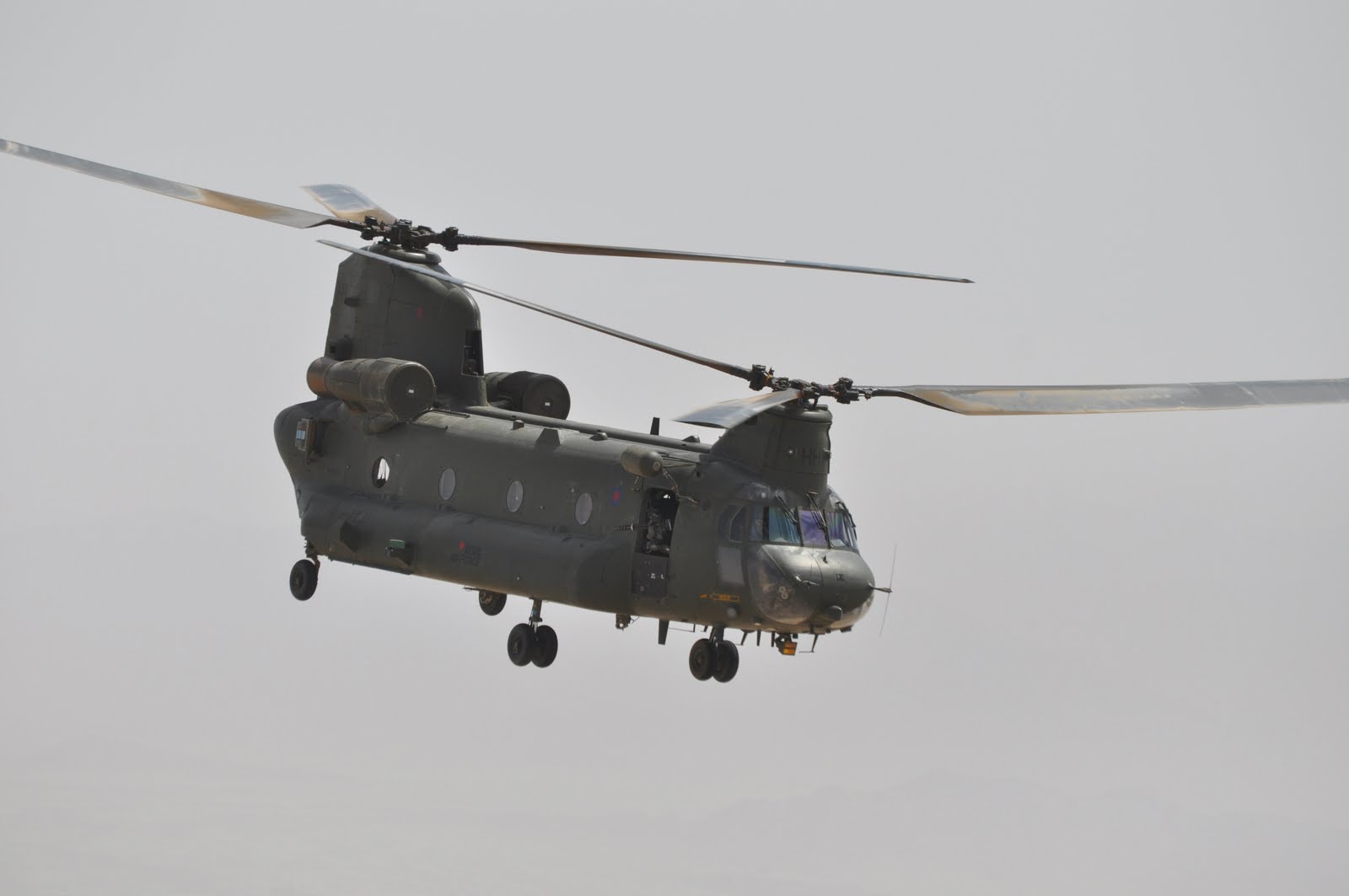
The MERT flies on a Chinook helicopter from Camp Bastion, retrieves casualties from the ground and assesses and treats them during the flight back to the military hospital.

Targeted by the Taliban when flying out to casualties, we are protected by armour and the skill of the Chinook aircrew. Apache helicopters also escort and protect us.

In essence we take the emergency room to the casualty and that can make a real difference.
The influence of Florence Nightingale lives on.

Even the helicopter landing site at the hospital is known as “Nightingale”.”

To read the full story click here

Add to FaceBookAdd to Twitter

Wednesday, August 11, 2010

Extra RAF jets announced as Defence Secretary visits Afghanistan

The UK is to send two additional Royal Air Force Tornado jets to Afghanistan, the Defence Secretary has announced on a visit to British forces serving there.

Dr Liam Fox, on his second visit to Afghanistan since being appointed Secretary of State, confirmed that the two Tornado GR4 aircraft have been sent from RAF Lossiemouth in Moray, arriving at Kandahar Airfield tomorrow (Thursday 12 August).

The deployment follows a request by the Commander of the International Security Assistance Force (ISAF), General David Petraeus, for an increase in air support to provide greater protection to ground forces. The aircraft will join the eight RAF Tornado GR4s already provided to support the multinational pool and will boost flying hours by 25 per cent, or an extra 130 flying hours per month.


Tornado GR4 with Raptor Reconnaissance Pod

Dr Fox, currently on his way back to the UK, said before leaving Afghanistan:

“The deployment of these two extra aircraft is another illustration of the UK Government’s commitment to achieving success in operations in Afghanistan. Tornado GR4s provide essential air cover to our service personnel on the ground and leading the fight against deadly IEDs from the air.

“The intelligence these assets provide to coalition forces will enable commanders to have the eyes in the sky that they need to protect their troops and help increase security for local people.”

Following discussions, the Chief of the Defence Staff, Air Chief Marshal Sir Jock Stirrup, and the Defence Secretary, have agreed that the extra Tornados will deploy for three months.

Joined on the visit by the Chief of Joint Operations Air Marshal Sir Stuart Peach, the Defence Secretary also visited Forward Operating Bases as well as units based at Camp Bastion and Kandahar Airfield.

Dr Liam Fox is shown around a Tornado GR4

They saw first hand today the training of Afghan National Security Forces, which is ahead of schedule and represents the key to enabling British forces to eventually leave Afghanistan.

The latest encouraging figures show that the training of Afghan forces is making excellent progress. Already, 134,000 Afghan soldiers and 106,000 Afghan policemen have been trained, putting ISAF ahead of schedule for achieving its target of 171,000 fully-trained soldiers and 134,000 police by the end of 2011.

Add to FaceBookAdd to Twitter

Tornado squadron welcomed home from Afghanistan

Over 2,000 well-wishers welcomed RAF Tornado crews and engineers home from Afghanistan on Friday when they paraded through the streets of their local town of Swaffham, Norfolk.

The parade, led by the Band of the Royal Air Force Regiment, formed up at the Market Place where personnel from II (Army Cooperation) Squadron received their Operational Service Medals for Afghanistan from Richard Jewson, the Lord-Lieutenant of Norfolk.

Members of II (Army Cooperation) Squadron on parade in the town of Swaffham, Norfolk
Photo: Senior Aircraftman Si Armstrong, Crown Copyright/MOD 2010


The squadron returned from operations in Afghanistan two weeks previously when they flew into RAF Marham to an emotional welcome by family and friends.

They have had an extremely busy deployment in support of UK and coalition troops on the ground.

During that period over 500 sorties were flown, amounting to nearly 1,700 flying hours, all in direct support of ground-based forces.

Of those 500 sorties, approximately 100 were ground close air support requests where the Tornado GR4s were scrambled within 30 minutes of the request coming in for assistance.

The Tornado detachment’s contribution to Op HERRICK is very well understood and appreciated by those on the ground, who ultimately benefit from the presence in the air. The Tornados provide both close air support and intelligence, surveillance and reconnaissance.

Officer Commanding II (Army Cooperation) Squadron, Wing Commander John Turner, said: “”My team have done a superb job during their very busy deployment in Afghanistan, and they should be justifiably proud of their achievements.”

To read the full story click here

Add to FaceBookAdd to Twitter

Monday, August 9, 2010

Air Support to Op MOSHTARAK

Two Royal Air Force Tornado GR4s were tasked in support of OP MOSHTARAK to provide intelligence, surveillance and reconnaissance in the semi-desert area to the North of Nad-e-Ali.


The specific task was to search for IEDs in support of 1st Battalion Scots Guards and in order to achieve this, the Tornado crews established contact with the Battalion’s operations room and in particular the Company Forward Air Controller.

The Tornado GR4s, using their LITENING III targeting pods, capable of monitoring activity day or night, identified 4 people digging in 2 separate locations close to or on tracks across the desert which ISAF vehicles use on a regular basis.

The LITENING pod’s high-resolution full motion video of the 4 people digging was fed live into the Battalion’s Operations Room where the Forward Air Controller observed in real-time the activity identified by the Tornados. The Forward Air Controller requested that the Tornados maintained constant surveillance of the identified area. The Tornados were then informed that an Armoured Infantry Platoon had been dispatched to interdict the individuals and were re-tasked to provide armed overwatch of the Platoon during the operation.

As the Warriors approached the area, the individuals of interest ran to a nearby compound. The Tornados maintained constant surveillance and were able to talk the Platoon on to the right compound which was then immediately surrounded. As there was no immediate threat to life, the ground commander did not require the Tornados to carry out an attack, but they were tasked to maintain surveillance and deter any potential escalation of the situation by adopting an overwatch posture. Ground forces proceeded to enter the compound and detained a suspected insurgent without further incident.

The Platoon then carried out detailed searches over the area originally identified by the Tornados to confirm the presence of any IEDs.

In his post mission report the Forward Air Controller said “Due to the professionalism and enthusiasm from both crews of the Tornado formation, the close coordination and the rapid employment of the Platoon, the reaction to this incident was exceedingly fast and effective. I believe the speed of reaction and close co-ordination of everyone involved in the operation has sent a clear message that ISAF forces can appear anywhere at anytime.”

Add to FaceBookAdd to Twitter

Wednesday, August 4, 2010

Commander In Chief Flies In To Visit RAF Personnel in Afghanistan

Air Chief Marshal Simon Bryant made his first visit to Afghanistan this week as the newly appointed Commander in Chief Air (CINCAIR).

Air Chief Marshal Bryant flew in to Afghanistan to visit Royal Air Force personnel who are playing a key role on operations. He was accompanied by Air Vice Marshal Mike Lloyd, acting Deputy Commander in Chief Personnel.

CINCAIR talks to RAF personnel on the Flight Line at Camp Bastion
Photo: Sqn Ldr Nic Wood/MOD 2010


This was a return visit for the Air Chief Marshal, but his first visit in his new role as CINCAIR and while the visit focussed on operations, he placed a strong emphasis on personnel issues. Air Chief Marshal Bryant was keen to stress how important it was for him to meet RAF personnel in Afghanistan.

Air Chief Marshall Bryant said: “It is important that I meet RAF personnel on operations so I understand fully the contribution that the RAF is making. I have been extremely impressed by the professionalism and commitment of our people in Afghanistan, they are providing a vital contribution in a range of roles both on the ground and in the air.”

He explained that RAF Personnel carry out a range of roles, from Air Transport, Support Helicopter, Intelligence, Surveillance, Target Acquisition and reconnaissance and Combat ISTAR to the RAF Regiment Force Protection experts and the RAF Medical Emergency Response teams who provide live saving care in the air.”

He continued: “My visit provides an opportunity to hear personal experiences associated with individuals’ deployments with a view to improving that experience and contributing more effectively to operations. These conversations provide me with the evidence I need to enhance the vital contribution that air power is making in Afghanistan and to keep personnel abreast of what is happening back in the UK”.

CINCAIR began his visit in Kabul, before flying first to Kandahar Airfield and then on to Camp Bastion. The final stop of his visit was Lashkar Gah where visited Task Force Helmand Headquarters.

Sergeant Ross Pinches, 904 Tactical Imagery Wing said: “It was great to meet CINCAIR, he was really interested in hearing about my job in the Tactical Imagery Wing and he took time to listen to our views and answer a number of questions that personnel raised about the uncertainties of the SDSR.”

Add to FaceBookAdd to Twitter

Monday, July 26, 2010

1419 Flt - Wizards in Afghanistan's Green Zone

28 (Army Cooperation) Squadron B Flight arrived at Bastion Airfield in late May 2010. Following many detachments in Iraq over the past 5 years, this was their first taste of Afghanistan. They arrived with the bit between their teeth and were raring to get stuck into the new adventure ahead, albeit the crews were a little apprehensive given the environment which they found themselves in. Following the initial mandatory admin procedures and a very long day sitting on a hot rifle range, the aircrew from RAF Benson in Oxfordshire took to the skies and flew towards the green zone for the first time.

45 degree ambient temperatures mean that the cockpit and cabin of the aircraft is around 50 degrees. Add safety equipment, thermal fire protection, gloves and helmet and the result is some very hot and sweaty individuals. A great deal of water is consumed during any shift by the crews.

Loadmaster Sergeant Jock Forrester mans the general purpose machine gun (GPMG) on a Merlin helicopter.
Photo: Crown Copyright/MOD 2010

Landing sites in Helmnd Province vary dramatically between purpose-built, football pitch sized, tarmac areas to dust bowls; pilots regularly carry out the final stages of approaches almost blind. There are landing sites in the green zone with trees all around and there are landing sites on the pinnacles of mountains resulting in few hovering references for the handling pilots whilst operating at the limits of the aircrafts performance. All of the sites have their own challenges and the complexities encountered when landing within them cannot be understated or taken for granted at any time.

On the rare occasion that the Merlin can’t make it in to a landing site due to inclement weather or unserviceability then another helicopter and another crew will pick up the slack highlighting that the Joint Force Element which is operating in Helmand including RAF, Army and Navy works, and works incredibly well.

The Flight Engineers have worked 12 hour shifts every day since arriving in theatre. They have the unenviable task of trying to maintain the Merlin helicopters which are being flown in the most unforgivable of environments. The dust intake, the high altitude and the challenging flying puts a great strain on the Merlin, yet day after day the engineering force of 1419 Flt produce serviceable aircraft to operate with.

A Merlin lands at a FOB
Photo: Maj Paul Smyth/MOD

The squadron has had a detachment in Afghanistan fraught with the ‘expected’ unforeseen issues that arise during such a venture. They have worked every day in the heat and the dust and have achieved everything that they have been tasked with and more. The engineers have worked for 10 weeks without a whole day off. It is now time to go home, reunite with loved ones and enjoy some well deserved time off. As B Flight hand over to C Flight this week they reflect on a job well done.

Tweet This


Share on Facebook

Wednesday, June 9, 2010

Chinook Pilot Awarded DFC

A Royal Air Force Odiham Chinook pilot was presented with his Distinguished Flying Cross at a prestigious ceremony held at Buckingham Palace.


Flight Lieutenant Marc Heal, aged 29 was amongst personnel from various stations across the UK to be honoured in the Armed Forces Operational Awards for their bravery and service in Afghanistan, Iraq, and in Search and Rescue missions around the UK announced earlier this year.

Brighton born Heal was awarded the prestigious Distinguished Flying Cross (DFC) for his actions whilst on operations in Afghanistan in July 2009. As the Captain of the Chinook helicopter Immediate Response Team (IRT) aircraft during Operation PANCHAI PALANG (Panthers Claw), based at Camp Bastion he commanded 8 IRT missions and was regularly tasked into areas with a very significant enemy threat. He consistently demonstrated exceptional levels of professional ability combined with unflinching courage throughout, successfully extracting 29 casualties from the battlefield and delivering them into medical care. Throughout this most intense operational period, his superior flying skills, inspirational command of his crew and calmness under fire set an outstanding example of gallantry, professionalism and courage that undoubtedly saved lives.


Flight Lieutenant Heal spoke following the presentation of his award at Buckingham Palace,

“I was very proud and honoured to receive my award from the Queen yesterday on behalf of my crew. It was a very humbling experience to be in the presence of people who had achieved so much.”

“It was a day that myself and my family will never forget and I am glad I was able to share it with them.”

Thursday, May 20, 2010

RAF's Reaper logs 10,000 hours over Afghanistan

This article was first published in RAF News, Voice of the Royal Air Force, on 7 May 2010.

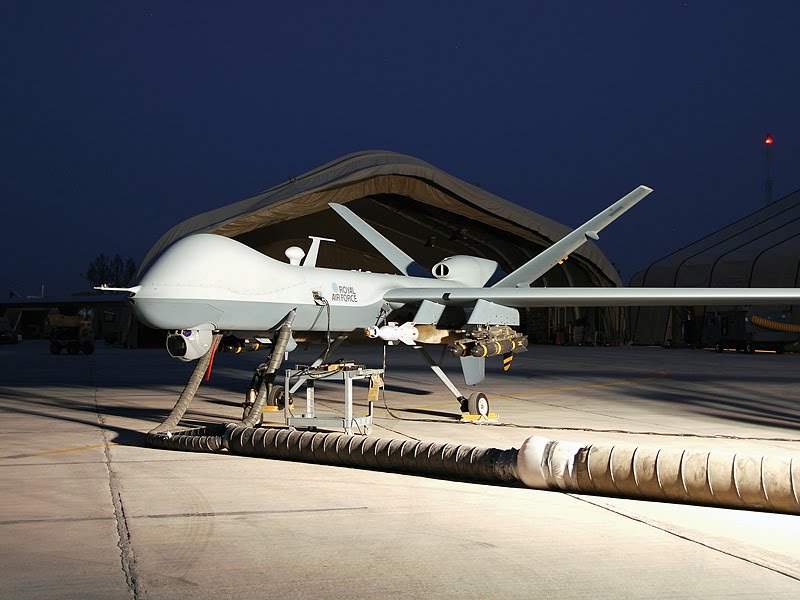
The RAF's Reaper programme has achieved the milestone of providing more than 10,000 hours of armed overwatch in support of UK and coalition forces in Afghanistan


The UK Reaper Remotely Piloted Air System (RPAS) has been deployed to Afghanistan since October 2007 and provides a persistent, armed intelligence, surveillance and reconnaissance (ISR) capability.

Since November 2009, Reaper has been supporting operations 24-hours-a-day and more Reaper Remotely Piloted Aircraft are planned to be delivered later this year.

The RPAS is an integral part of the UK's air power capability. Procured to meet an urgent operational requirement, Reaper is the only RPAS currently in service with the RAF.

Air Vice-Marshal Baz North, Assistant Chief of the Air Staff, said:

"10,000 hours in direct support of operations is a significant milestone. Our experience of operating RPAS has confirmed that they have unique capabilities that complement those of traditional combat and ISR platforms; maximum effect is achieved by employing them in a mixed grouping.

"This network-enabled force has delivered a comprehensive combat ISTAR [Intelligence, Surveillance, Target Acquisition and Reconnaissance] capability that provides assured intelligence and situational awareness across the full range of operating environments, through the employment and integration of air, space and cyber systems."

Reaper is flown by 39 Squadron via satellite from a UK operations facility at Creech Air Force Base in the Nevada desert, and provides a range of ISR products to troops on the ground and operational headquarters.

Its primary role is ISR but from May 2008 the system has been armed with Hellfire missiles and laser-guided bombs to enable it to better meet the requirements of ground commanders.

The rules of engagement used for Reaper weapon releases are no different to those used for manned combat aircraft; the weapons are all precision-guided, and every effort is made to ensure the risk of collateral damage and civilian casualties is minimised, including deciding not to release a weapon."

A Royal Air Force 39 Squadron Reaper is unloaded of its offensive weapons at Kandahar Airfield after completing another mission over Afghanistan.

Wing Commander Jules Ball, Officer Commanding 39 Squadron, said:

"The squadron's personnel, from pilots to imagery analysts and support teams, are motivated and dedicated to supporting all our coalition forces and the people of Afghanistan; everyone has played a significant part in the delivery of this landmark achievement. It's absolutely clear that the Reaper plays a vital role in delivering Air's contribution to operations in Afghanistan.

"Our involvement has increased steadily since the MQ-9 Reaper's introduction into the RAF inventory. In fact, in the last 12 months alone, 39 Squadron has more than doubled its operational flying output.

"By supporting coalition forces every minute of every day, there's no doubt that this cutting-edge capability is saving lives and making a difference to those in danger in Afghanistan."

Pictures: Antony Loveless & Corporal Steve Bain RAF

Monday, April 19, 2010

PICTURE of the day: RAF Chinook in Helmand Operations

Chinook low over the desert

Following the terrain and river in the green zone

The Green Zone

Landing in the rotor dust storm

Troops being sandblasted upon landing

Turning at low level

Mutual support by working as a pair

Chinook firing flares

Homeward bound

High level view from the ramp

Almost home

Pictures: Squadron Leader Neville Clayton, RAF

Sunday, April 4, 2010

The LuftRAFfe: British pilot and German navigator share Tornado in first-ever join combat flights

By Christopher Leake, Daily Mail

An RAF pilot and an aviator from the Luftwaffe have flown together on a combat mission for the first time since Britain and Germany were bitter Second World War enemies.

The two airmen joined forces in the skies above Afghanistan in the war against the Taliban.

Last night, the Ministry of Defence confirmed that an RAF flight lieutenant had piloted a Tornado GR4 supersonic jet with a German navigator behind him in the cockpit.


Afghan allies: A tornado GR4, like the one piloted by two airmen from Britain and Germany

The Luftwaffe major - the equivalent of a squadron leader in the RAF - speaks perfect English and is said to have fitted in well with his British counterparts at Kandahar air base.

The pair provided 'top cover' --alerting British and US ground troops on Taliban positions. It is understood that although their Tornado was loaded with bombs, they were not deployed.

Until now, RAF and Luftwaffe pilots and navigators have flown together only on slow-moving C-130 Hercules transport aircraft in Afghanistan as part of a reciprocal scheme under which air crew are seconded to other Nato countries.

The new era of co-operation, however, has not prevented wags in the RAF's 31 Squadron, based at Marham, Norfolk, from cracking the odd joke about the German navigator.

An RAF source said: 'There was a bit of banter when it was discovered that an RAF pilot was to fly with a Luftwaffe navigator. But he proved to be an outstanding professional and made a valuable contribution to protecting troops on the ground.

'When you are in the air, there is only one issue: are you able to do your job to the required standard? In this navigator's case, he proved himself more than up to the job.' The German navigator is not only of a more senior rank than his British counterpart, he is also paid more.

The source added: 'Squadron personnel understand that German air crew received about £100 a day more than their British counterparts while in Afghanistan.

'This caused a fair amount of grumbling among the British air crew, but there was nothing they could do about it. Let's face it, the Government isn't likely to raise their pay.'

Another squadron source said: 'The Second World War was a long time ago and we are more than happy to work closely with our German allies against a common enemy.'

The Tornado flown by the Anglo-German crew on 18 missions between December and January was armed with 500lb laser-guided Paveway IV bombs and Brimstone air-to-ground missiles.

The Luftwaffe navigator --who, like the RAF pilot, cannot be identified for security reasons - was posted to Afghanistan at the request of the German government, which wanted him to work with 31 Squadron, considered one of the RAF's best.

The Luftwaffe operates a fleet of 115 Tornado fighter-bombers.

Friday, March 26, 2010

PICTURE of the day: Helmand from the air

The patchwork of the green zone on the visor of a Chinook loadmaster

Coming in low and fast to Lashkar Gah

Looking north over Lashkar Gah

Flying low level at high speed over the desert

The green zone following the Helmand River

A dry Wadi

Up in the north of Helmand the green zone is starting to flower

A USMC Osprey landing at Musa Qala

A USMC Sea Stallion moment before landing

Looking south over the green zone near Musa Qala

Pictures: Maj Paul Smyth

Friday, March 12, 2010

PICTURE of the day: RAF Chinook flight in Helmand

The first leg of the journey and the aircraft is coming in to land to pick us up

They don't hang around so getting on as quick as possible is important. Being quick with a full bergen, weapon and other kit is easier said than done

Back on the ground again and the aircraft is hidden in the dust thrown up when it landed

The nearer it gets the more dust is thrown up

Flying low level over the desert passing nomadic settlements

Looking down the side of the Chinook as we head north up the Helmand valley

As we bank hard flying low level the rear door gunner look out for signs of trouble


Pictures: Maj Paul Smyth